

Nintendo to Customers Expecting Tariff Refund: “Eat Sh*t and Die”
Company says consumers already received everything they were promised: a controller, a receipt, and the privilege of watching Nintendo get its money back.
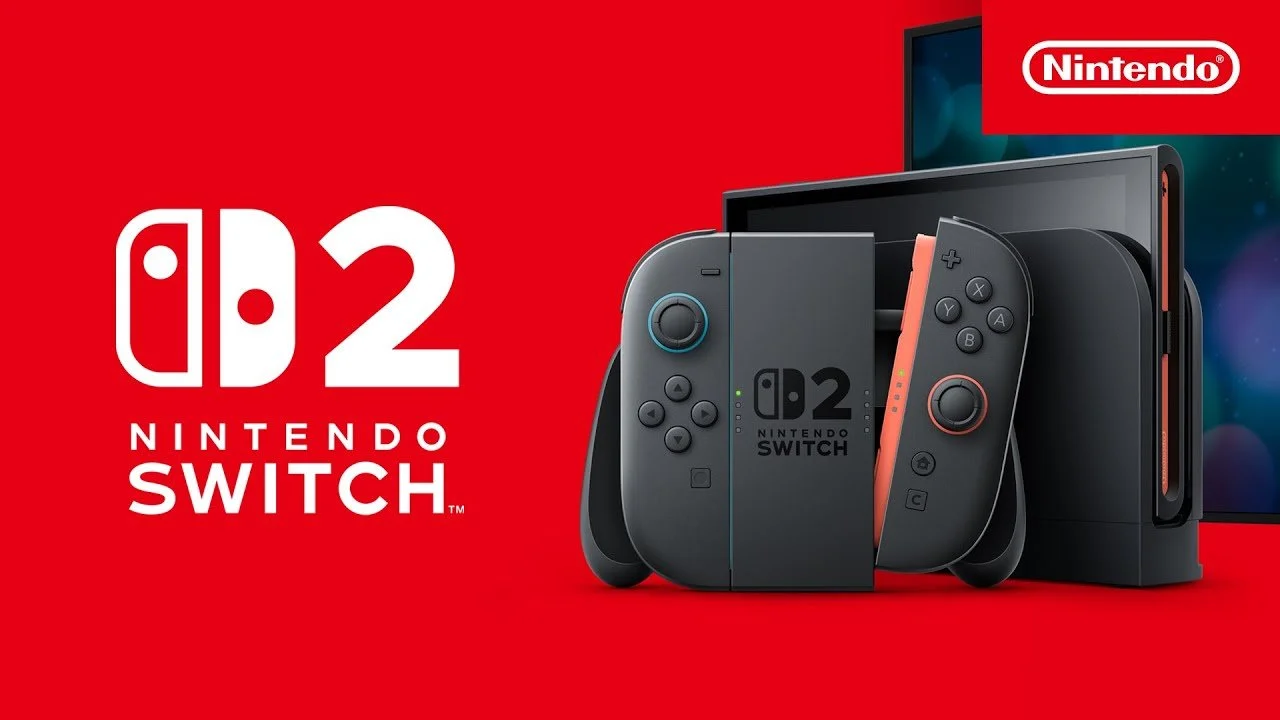
REDMOND, Wash. — Nintendo has asked a federal court to dismiss a lawsuit seeking tariff refunds for customers, clarifying Tuesday that anyone expecting the company to voluntarily return money may instead eat shit and die.
The proposed class action was filed after Nintendo raised prices on hardware and accessories in response to U.S. tariffs, then pursued a refund once those tariffs were ruled illegal. Customers argued that Nintendo should not be allowed to collect the money from them, recover the same money from the government, and keep both piles.
Nintendo disagreed, explaining that this is what successful companies do.
“Customers received exactly what they bargained and paid for,” Nintendo attorneys wrote. “They gave Nintendo money, and Nintendo kept it. The transaction could not have been clearer.”
The company rejected accusations of “double-dipping,” calling the phrase inflammatory and suggesting alternatives such as “earning twice” and “finding a second wallet inside the first wallet.”
Nintendo spokesperson Marvin Coinblock said customers are confused because they incorrectly believe money can move away from Nintendo.
“Money only moves toward Nintendo,” Coinblock said. “This principle has been clearly established through decades of selling old games for full price and controllers that develop drift almost immediately.”
Coinblock warned that returning the tariff money would create a dangerous precedent in which customers begin expecting prices to reflect actual costs.
“Today they want tariff refunds,” he said. “Tomorrow they’ll ask why online multiplayer that works.”
Nintendo nevertheless announced a compromise for customers still emotionally attached to their money.
Nintendo said the refunded money has already been allocated toward essential projects, including cease-and-desist letters, anti-emulation technology, and a climate-controlled treasury where executives can crawl lazily across customer payments while humming the Super Mario Bros. theme.
The lawsuit argues Nintendo would be unjustly enriched by keeping both the tariff-driven price increases and the government refund.
Nintendo’s lawyers responded that there is nothing unjust about enrichment when the enriched party owns Pokémon.
Legal experts say the case may determine whether companies must reimburse customers when the costs used to justify price hikes are later refunded, or whether corporations can simply hold up a drawing of Kirby and declare themselves immune from morality.
